Fermentation Blog & Community

Everything Good
Takes Time.

linen clothceramic weightbrineCO₂salt crystalslactobacillus18–22°CidealpH 3.5by day 4

A digital atelier where wild bacteria and patient hands transform cabbage into living gold, and sweet tea into fizzing, tangy elixir.

Join the Culture

Free · 2,400 fermenters inside

A Year in the Crock

Four seasons.
Four transformations.

Spring · 01

Radish Kimchi

Kkakdugi
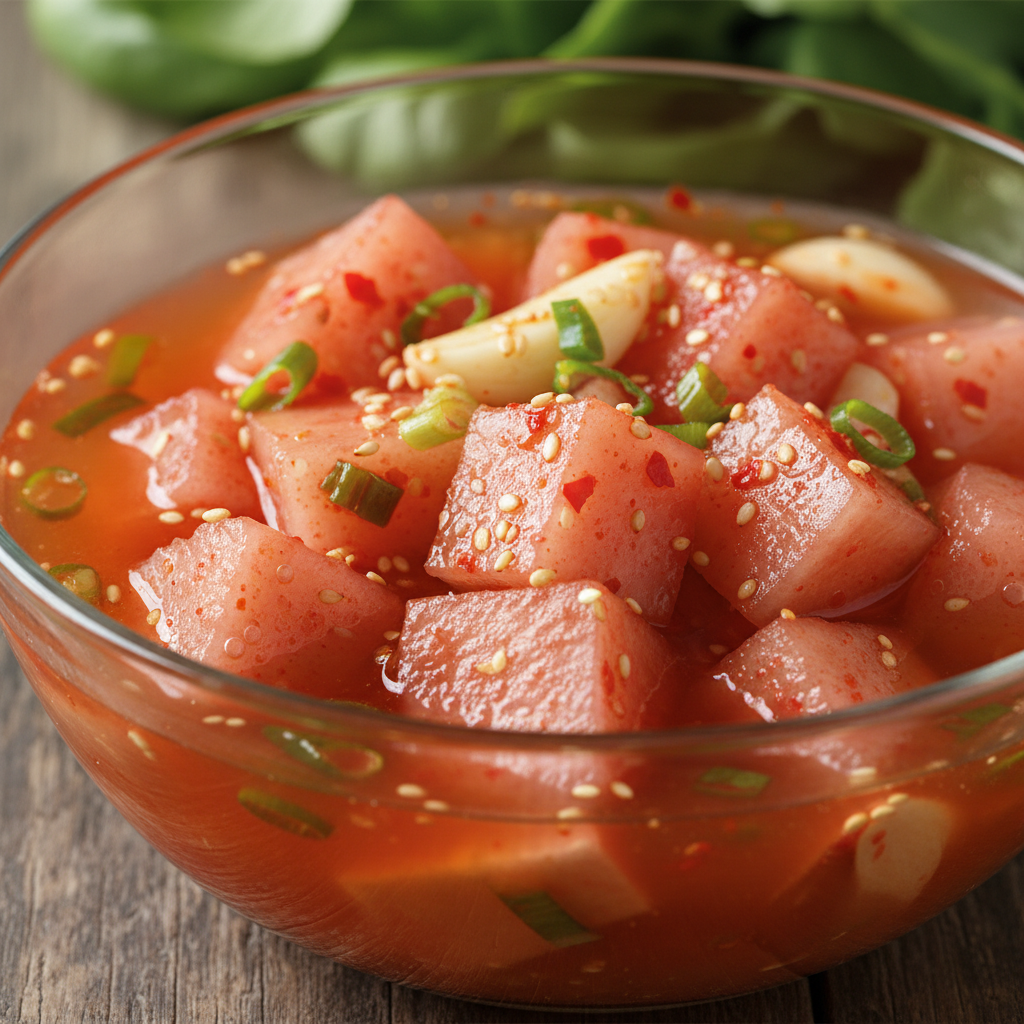
Close-up macro photograph of vibrant pink and red radish kimchi cubes glistening in brine with flecks of red pepper and sesame

The daikon arrives pale and silent, a blank page. Salt draws out its water — a slow exhale — and over three days the chili paste and ginger rewrite it entirely. By morning four it is pink all the way through, alive, electric on the tongue. Spring kimchi does not wait for permission.

Technique

Brine salting · Fermentation vessel: ceramic or glass · 2% salt ratio · 3–5 days at 18°C
Summer · 02

Tepache

Pineapple Beer

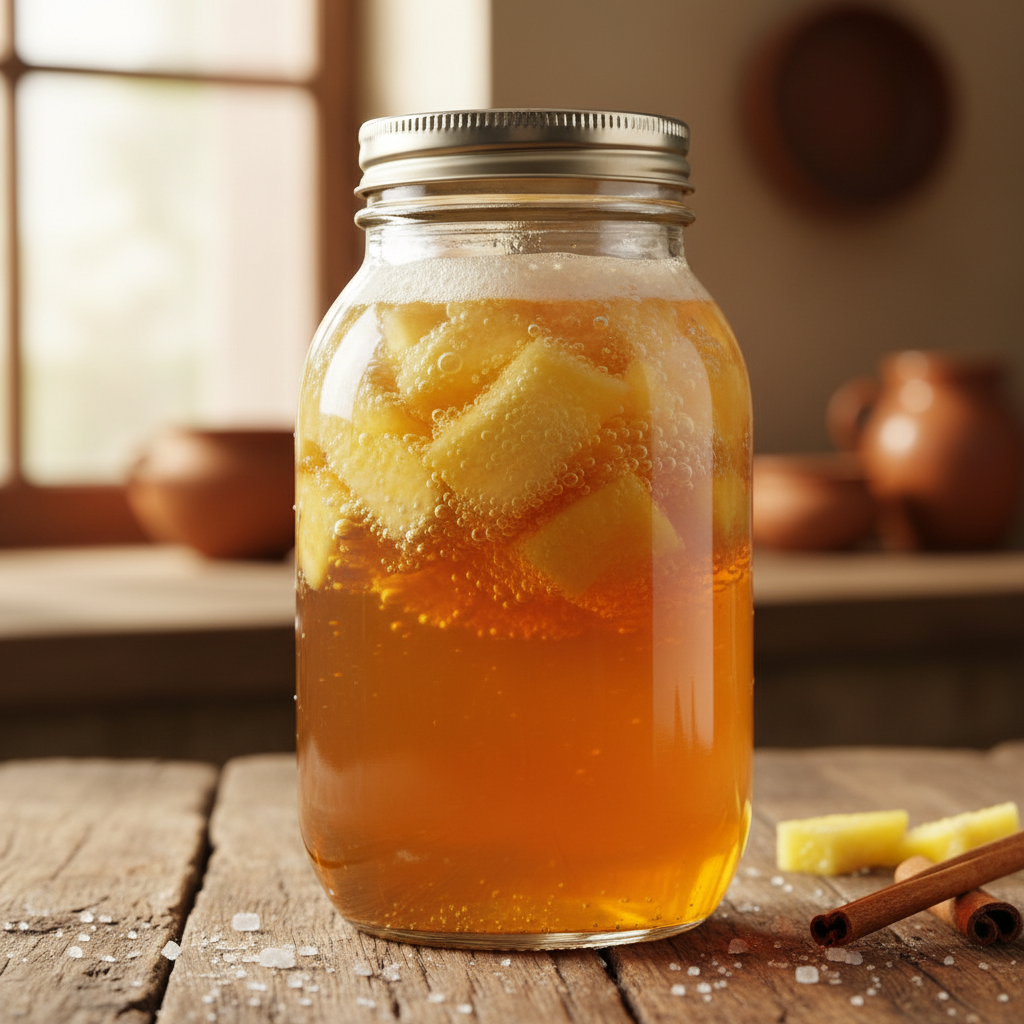
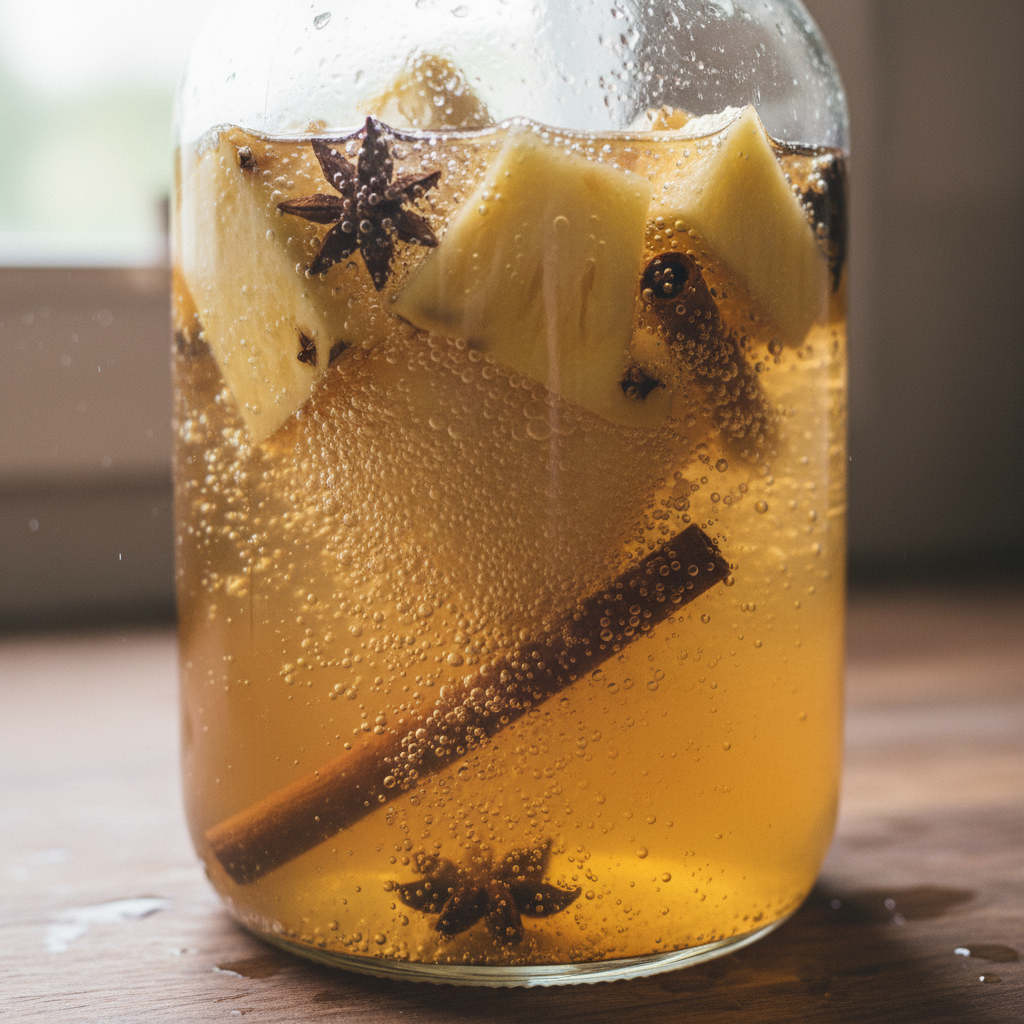
Golden amber tepache fermenting in a large glass jar with pineapple rinds and cinnamon sticks visible through the liquid, bubbles rising

Nothing is wasted. The peel that would have gone to compost goes instead into a jar with piloncillo and a cinnamon stick. By the second day the jar is talking — soft hisses, a faint tropical fizz when you lift the cloth. Tepache is summer's argument that abundance requires no effort, only patience.

Technique

Wild fermentation · No starter needed · Piloncillo or brown sugar · 2–3 days · Strain and refrigerate

Autumn · 03

Sauerkraut

Klassisch

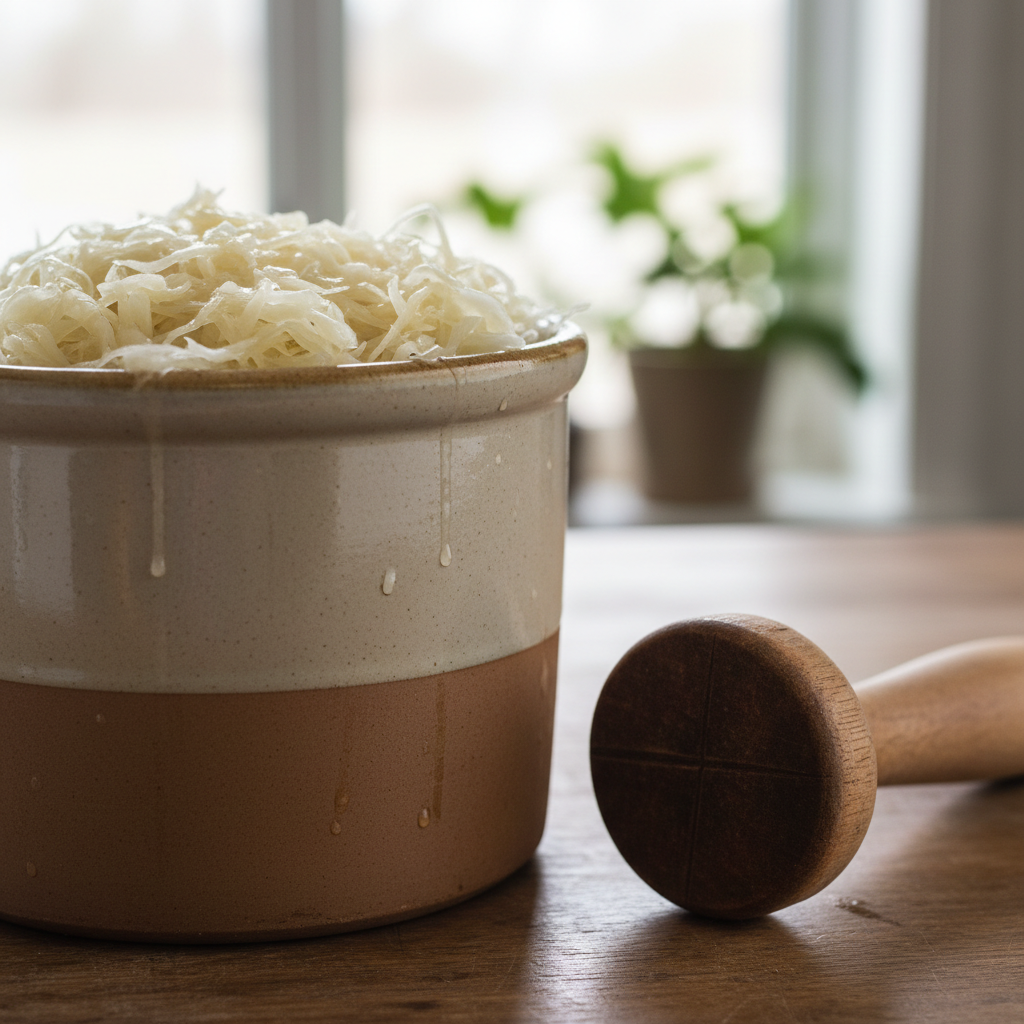
White shredded cabbage sauerkraut packed tightly in a stoneware crock with brine glistening on the surface, a wooden tamper resting beside it

Cabbage, salt, and time. That is the entire recipe. The knife does the first work; the hands do the second, massaging until the cabbage weeps. Then the crock takes over. Weeks pass. The smell shifts — sharp, then sour, then something rounder, more complex, almost bread-like. You did not make this. You only arranged the conditions.

Technique

2% salt by weight · Lacto-fermentation · Submerge below brine · 3–6 weeks · Anaerobic environment

Winter · 04

Shiro Miso

White Miso

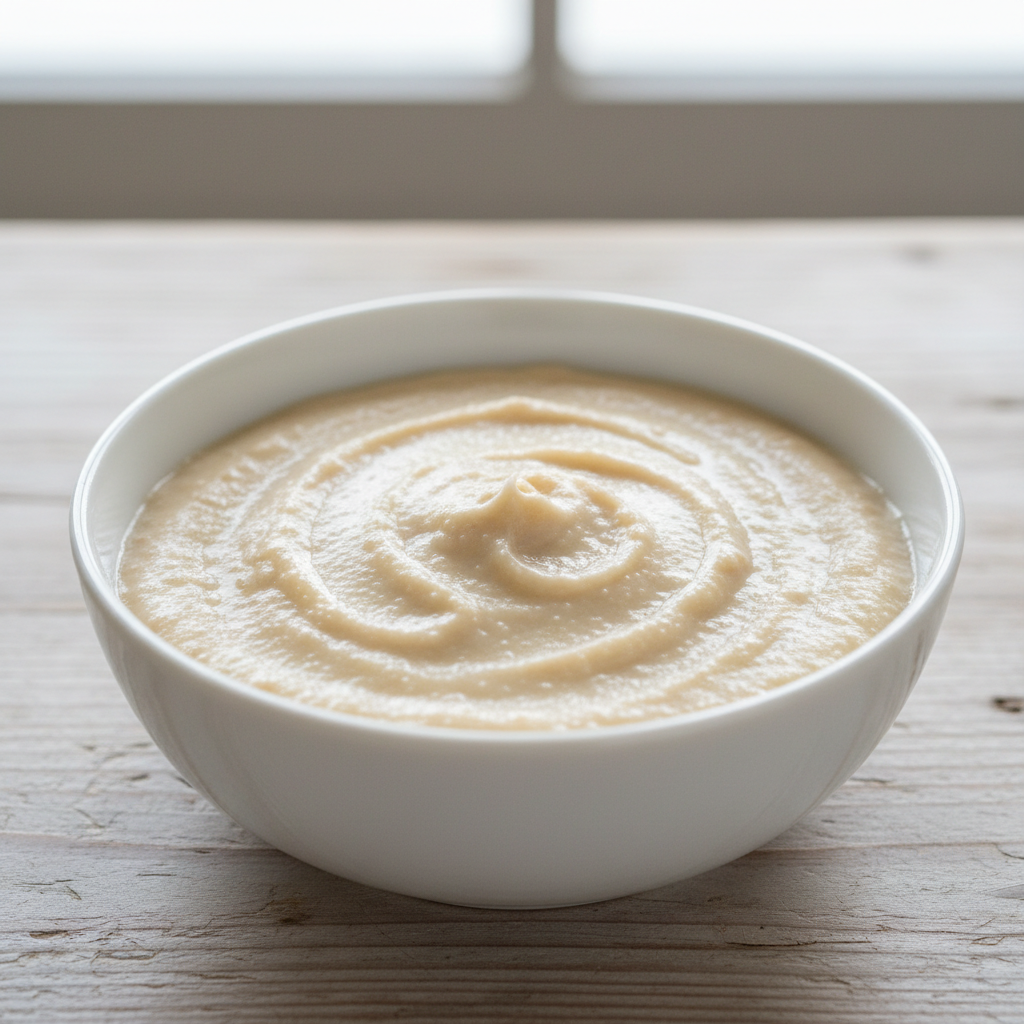
Pale ivory shiro miso paste in a ceramic bowl with a wooden spoon, soft natural light highlighting the smooth creamy texture

Miso is the longest conversation. Soybeans cooked until they yield, mixed with koji and salt, then pressed into a crock and forgotten for months — sometimes years. The koji works in the dark, transforming protein into umami, building flavors that no recipe can fully describe. Winter is the right season to begin something you will not taste until next year.

Technique

Koji culture · Aspergillus oryzae · 10–30% salt ratio · Aged 3 months to 3 years · Press and seal

Ready to begin your own year of transformation?

Join the Culture

Free · No card required

The Practice

Four principles.
Infinite ferments.

Salt is the architect.

Before any bacteria begins its work, salt reshapes the environment. At 2% by weight it draws moisture from the vegetable, creating the brine that will become the ferment's home. Too little and unwanted organisms compete. Too much and the lactobacillus cannot establish. Salt is not a preservative here — it is a selection pressure, a gatekeeper that decides who gets to transform your food.

Temperature sets the tempo.

Fermentation is not patient — it is temperature-dependent. At 15°C your kraut develops slowly, building complex acids over six weeks. At 24°C it finishes in ten days but may taste sharp and thin. The professional fermenter learns to read the room: a cool basement in October is not a problem, it is an ingredient. Every degree shapes the final flavor.

Anaerobic means alive.

The single most important skill in fermentation is keeping food below brine. Oxygen is the enemy of lactobacillus and the friend of mold. A ceramic weight, a zip-lock bag filled with brine, a river stone scrubbed clean — any of these will hold your vegetables submerged. Once you understand this, the rest of fermentation becomes detail.

Taste is the instrument.

No timer will tell you when your ferment is ready. Your tongue will. Taste on day two, day four, day seven. Notice the acidity building, the sharpness softening into something rounder. The pH strip confirms what your palate already knows. This is the skill the recipes cannot teach — developing a relationship with the living thing in your crock.

"The crock does not care about your schedule. It asks only for the right conditions and then it works, quietly, while you sleep."

— Culture Community Archive

The Community

No one ferments
in silence.

Home fermenters, restaurant chefs, and curious skeptics — all sharing cultures, troubleshooting pellicles, and trading crocks by mail.

2,400+

Active members

180+

Countries represented

12k

Jar photos shared

340

Cultures traded by mail

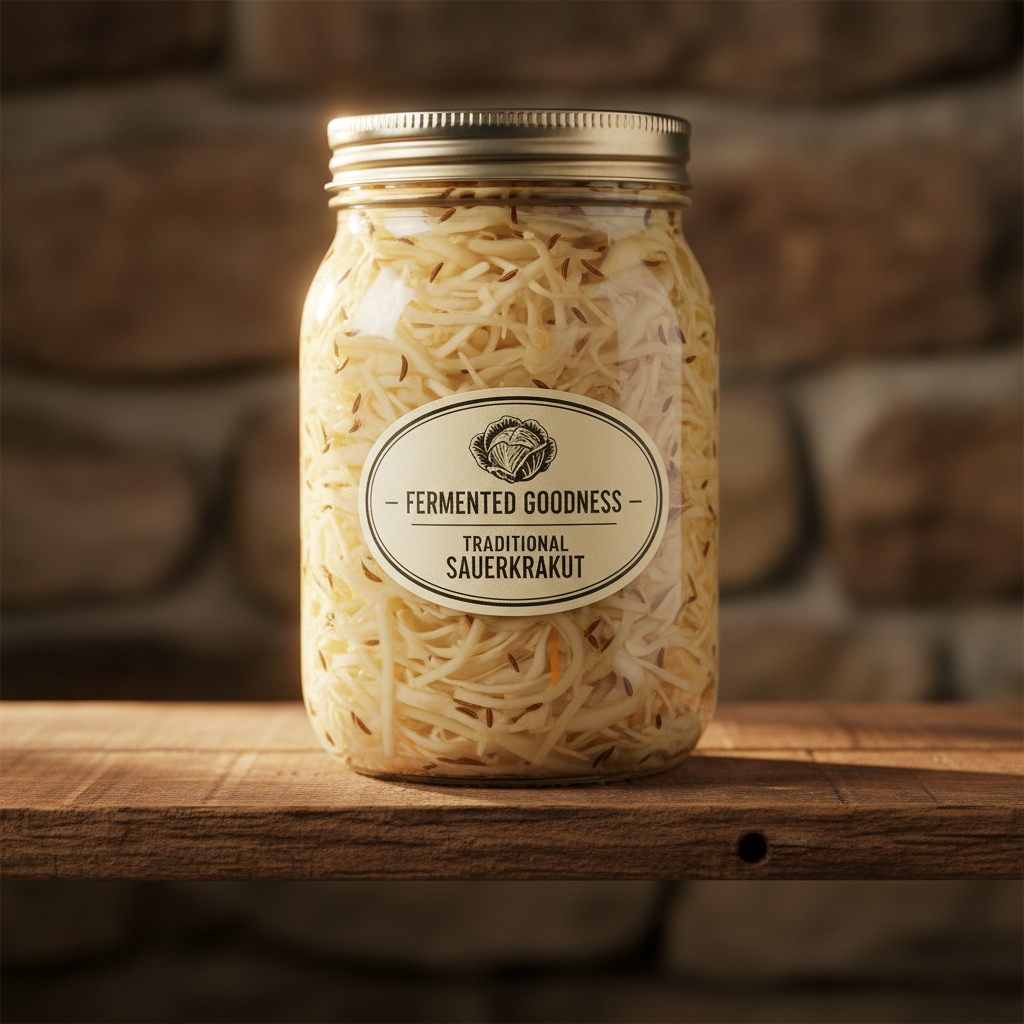
Glass jar of pale yellow sauerkraut with caraway seeds visible, sitting on a wooden shelf

Caraway Kraut, Day 14

Saoirse Brennan · Portland, OR

"pH finally hit 3.4 — the smell shifted overnight. It smells like something alive."

Amber golden tepache in a large mason jar with pineapple rinds floating, bubbles visible at the surface

Tepache Batch #7

Tomás Reyes · Austin, TX

"Finally nailed the pineapple-to-piloncillo ratio. Trading cultures with three members this week."

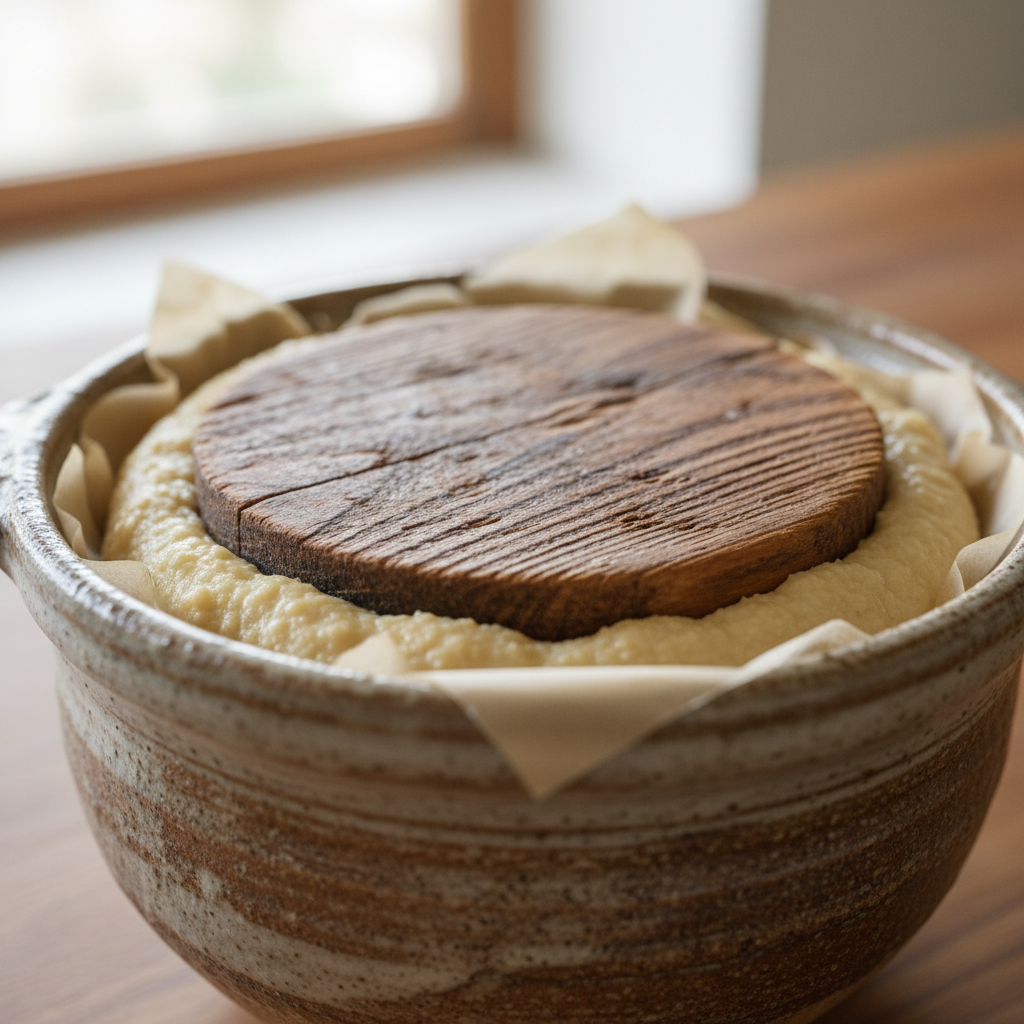
Pale ivory miso paste in a stoneware crock with a wooden weight pressing it down, covered in parchment

Shiro Miso, Month 4

Keiko Matsumoto · San Francisco, CA

"The umami is building. You can smell the koji working through the cloth."

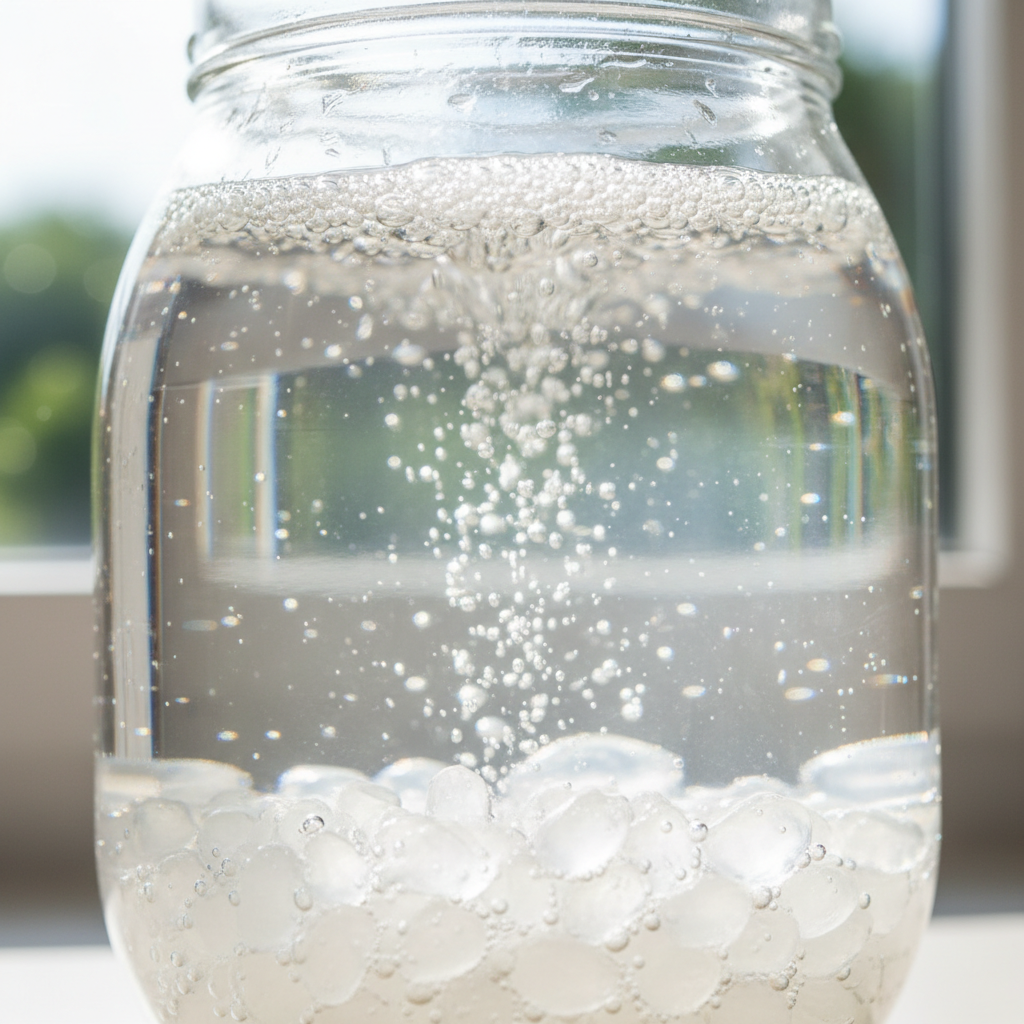
Clear glass jar of water kefir with translucent grains visible at the bottom, light fizzing at the surface

Water Kefir, Round 3

Adaeze Okafor · Brooklyn, NY

"Grains doubled in size. Sharing them with anyone in the NYC area — just DM."

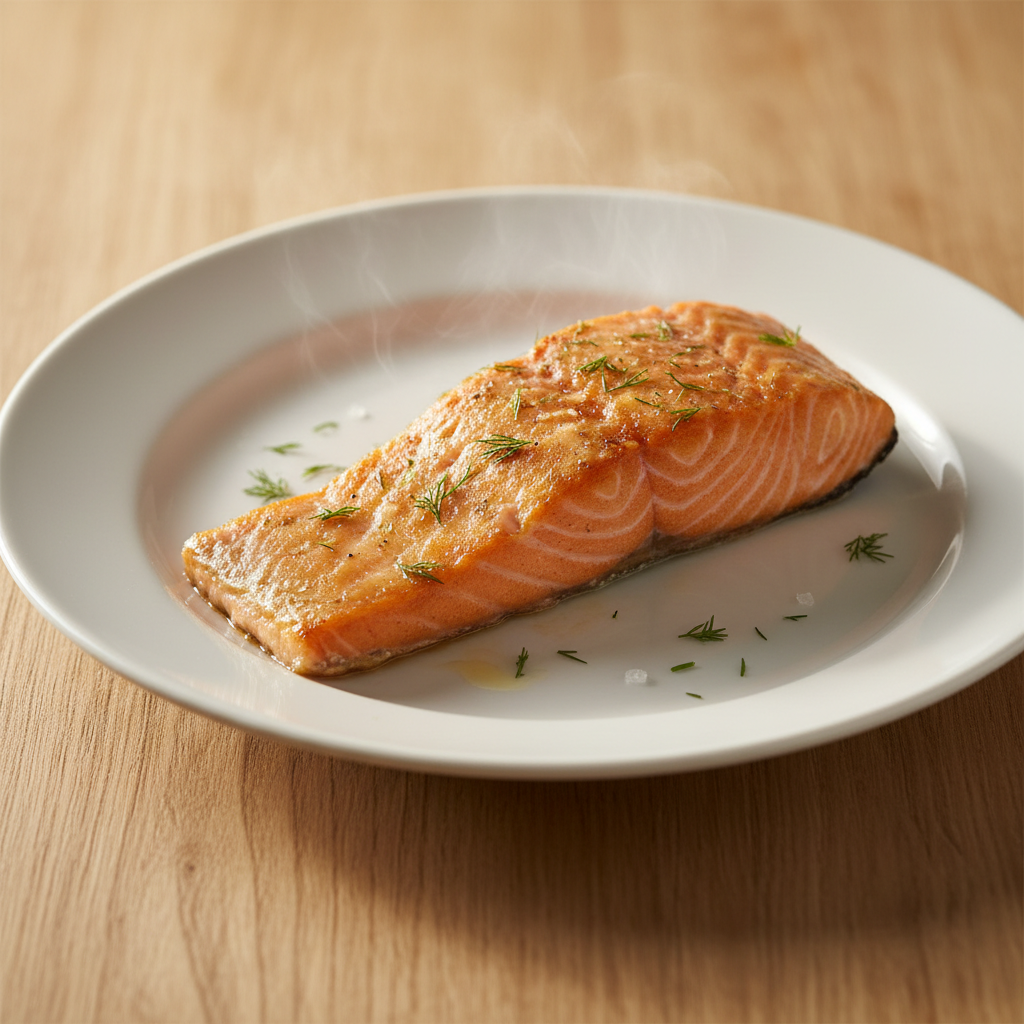
Salmon fillet being cured with salt, sugar, and fresh dill on a ceramic plate

Gravlax Cure

Lars Eriksson · Minneapolis, MN

"First time curing fish. The salt and dill are doing something extraordinary."

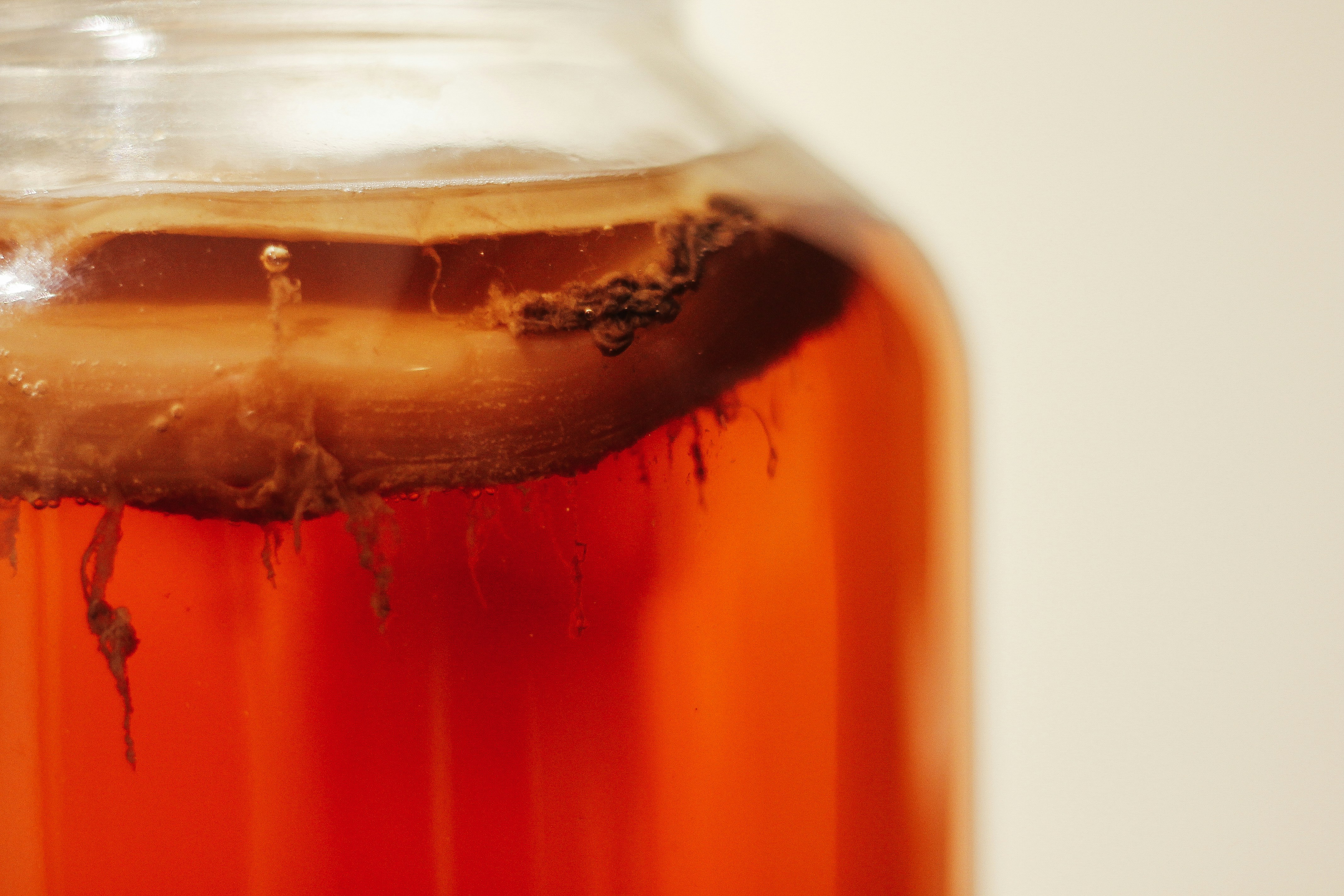
Kombucha SCOBY forming in a glass jar of green tea, golden brown pellicle visible at the surface

Jun SCOBY, Week 2

Priya Nair · Chicago, IL

"Green tea and honey. The pellicle is forming beautifully — like a pale jellyfish."

"I joined as a complete skeptic with a mason jar and a pH strip. Six months later I'm running a fermentation program at my restaurant. The community taught me more than any cookbook."

MO

Marcus O'Brien

Head Chef · Seattle, WA

Begin Here

Your first crock
is waiting.

Join 2,400 fermenters — from first-timers nursing a SCOBY to chefs building house culture programs. Choose your ferment, find your people, and begin.

Join the Culture

Free · No card required · Choose your first ferment

Home Fermenter

First kraut, first SCOBY, first batch of kimchi

Restaurant Chef

Build a house culture program from scratch

Curious Skeptic

Start with the science, stay for the flavor